

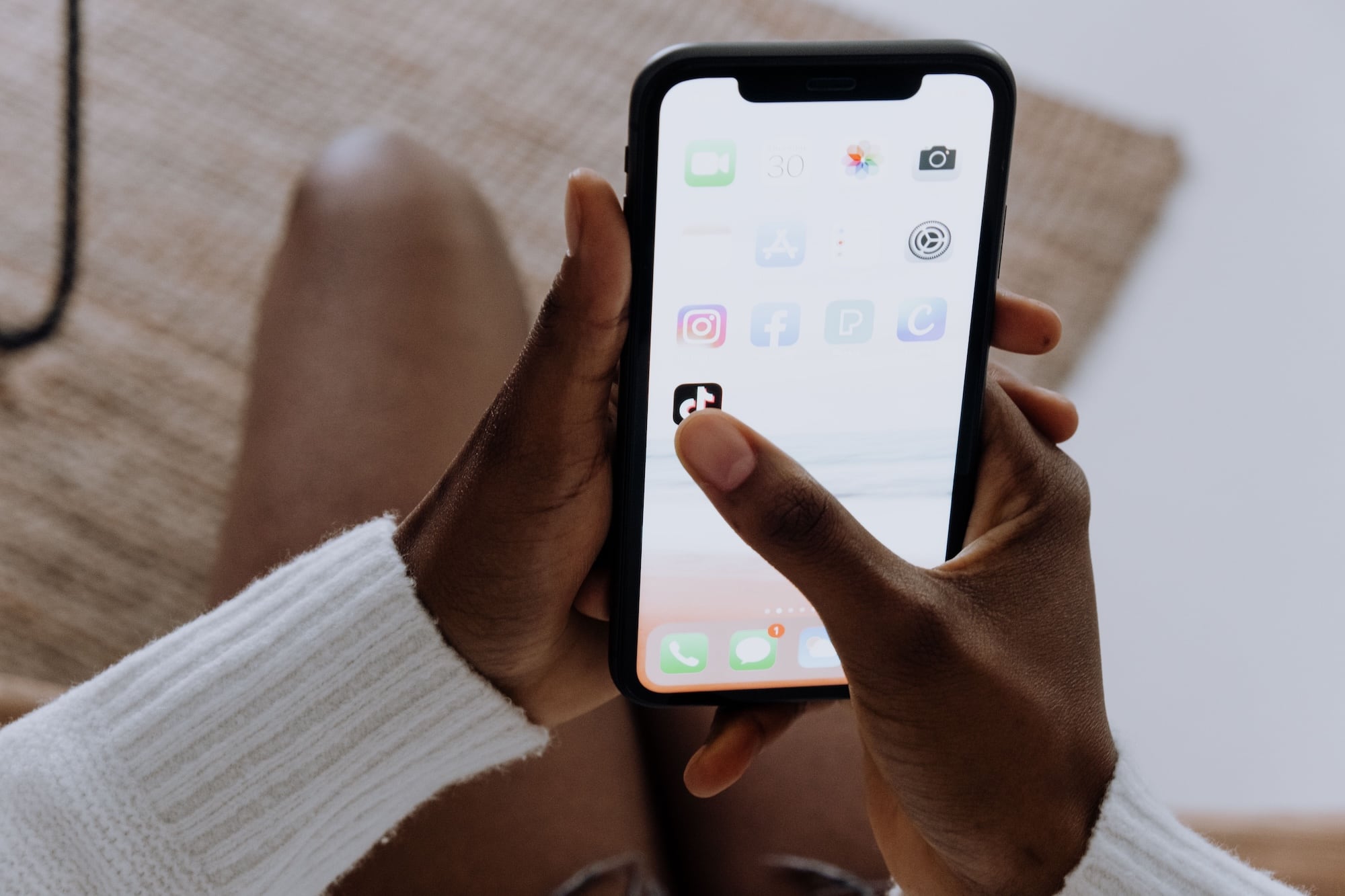
Many young adults now use TikTok and other social media to make sense of their anxiety, trauma, or relationships. Many parents are watching that happen, curious about what their kids are finding and unsure whether to worry. Mental health content can help people feel understood, but it also has limits worth knowing about.
At Abundant Life Affordable Counseling, a nonprofit counseling center in Santa Ana, we want to be fair to both sides of this question. This post looks at what research says about TikTok mental health content, what a short video cannot do, and how to tell when affordable faith based counseling for young adults may be the right next step.
What Mental Health Content Gets Right
A small interview study of 21 young people, summarized in a 2025 systematic review, found that they valued TikTok for making mental health information easy to reach and for content that felt relatable. That matches what we hear. Hearing a stranger describe an experience that feels familiar can lift shame that has been sitting for years.
For some people, a video might be the first time they felt permission to name what was happening. We see that as a doorway, and a good one. A doorway is just not a room to live in.
What the Research Says About TikTok Mental Health Content
That same review, published in the Journal of Primary Care & Community Health, pulled together 26 studies with 11,462 participants. Here is what stands out:
- Frequent TikTok use was closely linked with more symptoms of anxiety and depression, especially in people under 24.
- Most of the included studies were cross-sectional, so they show a pattern but cannot prove that scrolling causes distress. Some people who already struggle may simply scroll more. The authors themselves call for longer-term research.
- In one experiment the review describes, participants used TikTok for just 20 minutes. They felt less bored afterward, yet they reported feeling less connected to other people, and the review notes higher depression and anxiety scores as well. The relief was real, and it came with a cost.
The content itself raises questions too. In the interview study, young people recognized that TikTok can expose them to repeated distressing videos and to misleading information about mental health diagnoses and treatments. The review also describes a personalized feed that learns what keeps you watching and shows you more of it.
Accuracy is hard to judge from the outside. University of Chicago researchers reviewed 221 popular TikTok videos about sinusitis and found that fewer than half of the educational videos from nonmedical influencers were factual (46.7%), compared with 83.7% of those from medical professionals. You can read the published study or the UChicago summary. That was a physical health topic, so we cannot say the same numbers apply to mental health videos. But it does show that a video presented as medical advice is not always accurate.
Reach is a separate question. A 2025 analysis of 99 TikTok videos about antidepressants found that medical professionals and non-medical creators both focused mostly on negative experiences and side effects. The difference was style: clinicians generally stayed neutral, while non-medical creators were more likely to use a positive, upbeat tone. Their videos drew significantly more views, likes, and comments. The authors suggest that the platform and its users tend to favor videos that spark a strong emotional response and feel relatable. This was a small study on one topic, and it measured engagement, not accuracy. Still, it is a reminder that what spreads is shaped by how a video feels, not only by what it says.
What a 60-Second Video Cannot Hold
A video can describe a symptom. It cannot assess you. Here is where we most often see the gap:
- Sorting out what is going on. A list of "signs" fits a lot of people, and anxiety, trauma, ADHD, and depression can look alike. A clinician asks about your history, how long this has been happening, and what your life looks like, then helps you understand what fits and what does not.
- Trauma. Naming a trauma response is not the same as healing from it. Approaches like EMDR therapy work with how the brain stores painful memories, which takes time and a trained clinician.
- Safety. A video cannot ask how you are doing today or respond if you say you are not okay. If you are having thoughts of hurting yourself, please call or text 988 right now, or reach out to someone near you.
- Long-standing patterns. The way you argue with a parent, shut down with a partner, or brace for rejection is hard to see from the inside. It tends to show up in the room, with a counselor paying attention over weeks.
Many people of faith hold the idea that burdens are meant to be carried together. A video can start that conversation, but carrying something with someone takes time and a real relationship, not 60 seconds.
Signs It May Be Time for Affordable Faith Based Counseling
You do not need a crisis to talk with a counselor. For young adults in Santa Ana and Orange County, that conversation can start with a simple request for a session.
It may be time if:
- You have watched a lot of videos about what you are feeling, and you are more worried but still unsure what is actually going on.
- You scroll to get through hard feelings and notice you feel worse or emptier afterward.
- Sleep, school, work, or relationships are being affected.
- The same pattern keeps repeating in friendships, dating, or family.
- A video touched something painful, like loss, trauma, or church hurt, and you want help actually working through it.
If you are a parent and your teen or young adult leans on these videos, curiosity can be a good place to start. You might ask, “What have you watched lately that felt true to you?” Their answer may tell you a lot about what they are carrying. Family Systems Trauma therapy can also bring the whole family into the conversation when that fits.
At Abundant Life Affordable Counseling, a first conversation starts with what brought you in and what you hope will change. We ask whether you would like faith to be part of the work, and how, and we follow your lead. Some clients welcome Scripture and prayer, some prefer a lighter touch, and some prefer none. All of it is respected.
Our counseling is provided by Marriage and Family Therapist Trainees and Registered Associates, each under the individualized supervision of Kathleen Shanahan, MA, LMFT, a CAMFT Certified Clinical Supervisor. As a nonprofit, we offer affordable counseling and reduced-fee options for those who qualify, and you can review details on our Fees and Insurance page.
Counseling That Honors Your Story and Your Faith
If you have been looking for yourself in other people's videos, that makes sense. It usually means you are trying to understand something real. Faith and counseling do not have to compete, and neither do scrolling and therapy. Content can help you feel understood in the moment, and a counselor can help with the rest.
Abundant Life Affordable Counseling serves Santa Ana and greater Orange County in person, and offers telehealth throughout California. If you are ready to explore counseling that honors your story and, if you choose, your faith, you are welcome to reach out. We would be honored to walk with you. You can request a session whenever you are ready.
Request a SessionTopics covered